Vehicle Wrapping: Alter Your Car With Striking Designs
Car wrapping has turned into a widely-used technique for people and companies to improve their vehicles. This technique provides a combination of visual attractiveness and practical benefits. From protecting the factory finish to serving as a moving promotional tool, car wraps address various needs. As choices increase, understanding the subtleties of this modification becomes crucial. What factors should one consider when selecting a pattern or kind of wrap? The responses may surprise you.
Learning About Car Wrapping: Perks and Uses
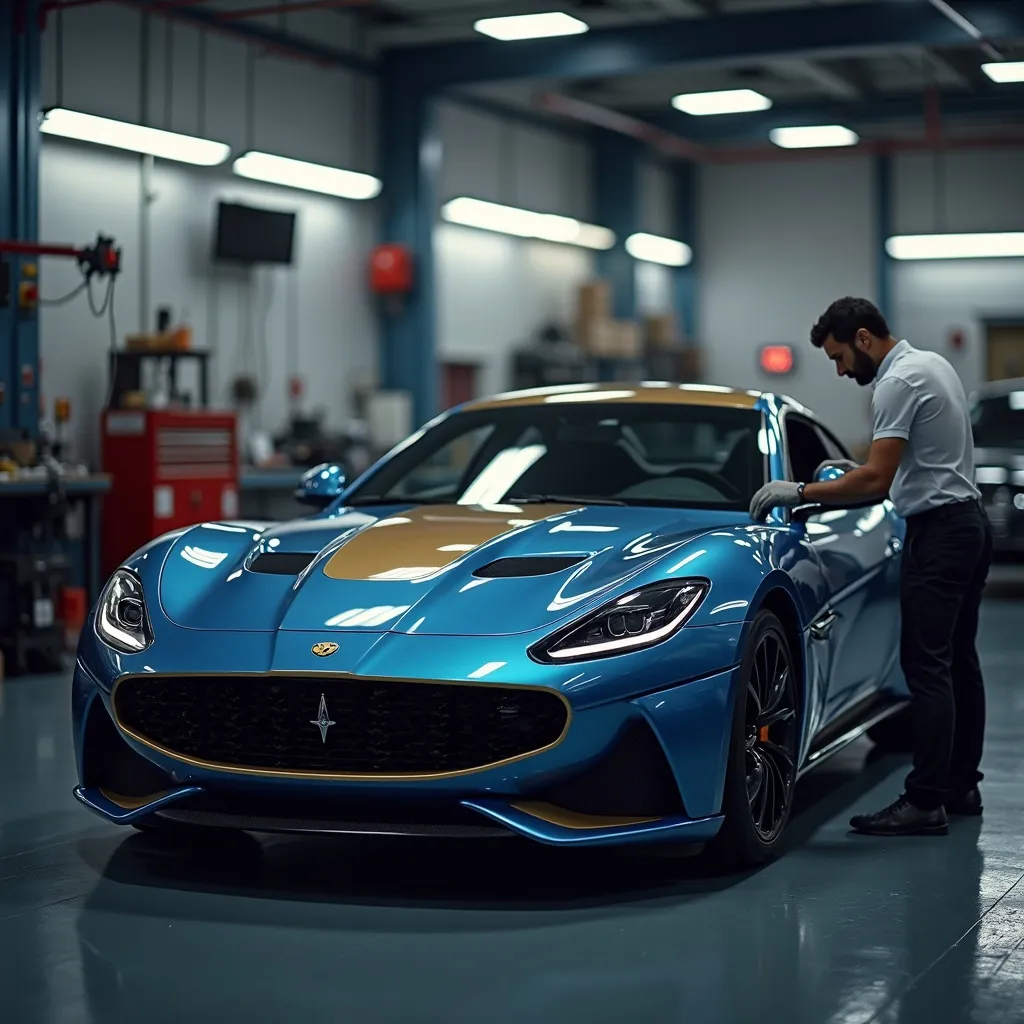
Car wrapping transforms vehicles into portable canvases, delivering both visual appeal and practical advantages. This innovative process involves laying a vinyl film to a vehicle’s surface, enabling a broad selection of colors and designs. One of the chief benefits of car wrapping is its ability to protect the original paint from scratches, UV rays, and environmental damage, thereby preserving the vehicle's resale value. Additionally, wraps can be removed easily, enabling owners to change designs or restore the vehicle to its original appearance without long-lasting alterations. Businesses often use car wraps for advertising purposes, making their vehicles into striking promotional tools that reach a broad audience. Furthermore, the customization options are nearly limitless, catering to individual tastes and branding needs. Overall, car wrapping acts as an effective solution for enhancing visual appeal while offering functional protection.
Varieties of Car Wrappings You Ought to Evaluate
When evaluating car wraps, multiple choices are accessible to meet diverse tastes and requirements. Important considerations include vinyl wrap options, the difference between matte and glossy finishes, and the possibility for custom graphic designs. Each type provides unique aesthetic and functional benefits that can enhance any vehicle's look.
Vinyl Covering Selections
Vinyl wrap options come in a selection, each delivering different appearance and functional benefits. Car owners can select options such as solid colors, which provide a sleek and uniform look, or patterned wraps that showcase custom designs and textures. In addition, vehicle owners might consider specialty wraps like carbon fiber, which imitates the look of premium materials, or reflective wraps that improve night visibility. Custom graphics offer a way for customized expression, enabling businesses to feature logos or messages effectively. Each choice suits different tastes and goals, from aesthetic appeal to branding chances. Selecting the ideal vinyl wrap involves considering the desired impact, durability, and upkeep requirements, ensuring a customized approach to transforming the vehicle.
Matte or Glossy Coatings Explained
Choosing between matte and glossy finishes for car wraps can significantly influence the vehicle's overall aesthetic. Matte finishes offer a sophisticated and understated look, soaking up light and reducing glare. This option is popular for those seeking a unique, modern appearance. However, matte wraps can be more susceptible to scratches and may require specific cleaning methods to maintain their appearance.
Conversely, lustrous surfaces provide a vibrant, high-shine effect that showcases colors and details, helping the vehicle become distinctive. Glossy wraps are typically easier to clean and superior in durability against wear, but they may bounce back too much light for some preferences. Fundamentally, the preference between matte and glossy finishes copyrights on individual taste and desired impact.
Custom Visual Creations
While searching for tailored artwork for car wraps, numerous options can greatly improve a vehicle's personality and allure. From striking visuals that speak volumes to elaborate shapes that highlight skill, the options are wide-ranging. Personalized logos or corporate logos are suitable for businesses seeking to promote on the move. Additionally, earthy styles, geometric forms, and illustrative designs cater to varied preferences. Lines and racing themes can evoke a sporty vibe, while vintage styles can bring nostalgic charm. Each selection not only demonstrates one's style but also helps to catch the eye on the road. Ultimately, choosing the perfect personalized design makes certain a vehicle is noticeable in a sea of common vehicles.
Selecting the Right Design for Your Car Wrapping
What is the method to determine the most effective design for a car wrap? Picking the right design involves evaluating several key criteria. First, the target audience must be identified; a design attractive to young adults may differ significantly from one aimed at corporate clients. Next, brand identity plays a critical role; colors, logos, and themes should align with existing marketing materials to maintain consistency.
In addition, the car's geometry and size can affect design determinations; intricate patterns may not translate well on smaller vehicles. It's also necessary to reflect on the message being conveyed; clarity and graphic impact are paramount, making certain that the design speaks capably at a glance.
In conclusion, trends in the industry should be considered; while originality is valuable, embracing current aesthetics can improve appeal. By thoughtfully weaving these elements, one can create a powerful car wrap design that commands attention and strikes a chord with viewers.
How Is Car Wrapping Done?
Car wrapping involves careful planning and organization. The procedure usually starts with a comprehensive cleaning of the vehicle's exterior to ensure that dirt and debris do not hinder with adhesion. Next, the artwork is created or picked, often using professional tools to visualize how the covering will look on the automobile. The vinyl material is then produced, trimmed, and made ready for application.
Once finished, the installer precisely measures and positions the pieces, guaranteeing a perfect connection. Heat is utilized by using a heat gun to help the vinyl adjust to the car's lines and surfaces. A squeegee is used to remove air bubbles and create a firm bond. Finally, the edges are trimmed and fastened to avoid lifting. This detailed procedure results in a gorgeous, attention-grabbing change that can last for several years with regular upkeep.
Taking care for Your Car Wrap: Vital Tips
Upon finishing the car wrapping task, preserving the wrap becomes crucial for safeguarding its aesthetic and longevity. Consistent cleaning matters; using a mild soap solution with water with a soft material stops accumulation of dirt. It is advisable to steer clear of machine washing systems, as abrasive bristles may damage the wrap. Instead, hand cleaning methods are recommended to maintain the surface.
Additionally, using a UV barrier can shield the wrap from sun harm, maintaining its color and gloss. Parking in shaded areas or garages can also decrease exposure to harmful UV rays.
Checking the wrap periodically for any lifting edges or bubbles is important; these should be taken care of right away to prevent additional harm. Finally, staying away from abrasive materials and chemicals guarantees the wrap stays intact and vibrant. By implementing these essential tips, vehicle owners can experience their attention-grabbing artwork for many years to come.
How Much Will Car Wrapping Run You?
Learning about the costs associated with car wrapping is fundamental for prospective clients. Several factors control the final price, including vehicle size, wrap material, and complexity of the design. Customarily, the cost bracket for car wrapping can range widely based on these elements.
Components Affecting Expense
While multiple elements contribute to the overall expense of car wrapping, the primary elements include the type of vinyl used, the intricacy of the design, and the dimensions of the vehicle. High-quality vinyl materials tend to be more long-lasting and visually appealing, affecting costs considerably. Additionally, complex designs that demand advanced techniques, such as custom graphics or multi-color applications, can elevate expenses. The vehicle's size also plays an essential factor; larger vehicles necessitate more material and labor, leading to higher prices. Furthermore, the expertise of the installer can influence costs, as skilled professionals may charge more for their services. Ultimately, comprehending these factors helps in budgeting for a car wrapping project efficiently.
Average Price Bracket
The typical cost for car wrapping can differ considerably depending on a range of factors. Usually, costs sit between $2,500 and $5,000 for a complete wrap, based on the vehicle size and design complexity. Smaller cars tend to cost less, whereas larger vehicles such as vans or trucks typically cost more. Furthermore, the quality of materials used plays a significant part; premium vinyl films can raise the overall price. Labor fees also differ by area and installer skill. Simple color changes may be less costly compared to custom or complex designs. In conclusion, potential clients should get several estimates to ensure they receive a fair price for the desired wrap.
Real-Life Examples: Engaging Car Wrap Designs
Automobile wrap designs have transformed vehicles into creative canvases, spotlighting original thinking and corporate identity. Abundant real-world instances substantiate the extensive variety of this channel. For example, a local coffee shop incorporated a striking wrap presenting coffee beans and steaming cups, capably bringing in business while boosting its name. Another exemplary example is a sports car adorned with a sleek metallic finish, refining its aerodynamic appeal and bestowing it a custom look that stands out on the racetrack.
Additionally, an green-minded company painted its delivery van in a natural theme, complete with leaves and earth tones, exemplifying its commitment to ecological responsibility. These designs not only seize attention but also express ideas and values relevant to the brands they represent. By integrating striking visuals with impactful marketing methods, car wraps have become a influential medium for businesses and individuals alike, inspiring others to pursue their own creative possibilities.
Popular Questions Posed Often
What is the Standard Duration of a Car Wrap?
A car wrap typically lasts between five to seven years, based on elements like quality of materials, exposure to environmental conditions, and upkeep. Adequate maintenance can extend its lifespan, ensuring the design stays bright and undamaged.
Can I Wrap a Rented Car?
Yes, a leased vehicle can be wrapped, but it's necessary to review the lease agreement upfront. Many rental agencies approve wraps, provided that they are linked resource removed before returning the automobile to avoid potential charges.
Can a Car Wrap Damage My Coat?
A car wrap commonly will not harm the paint if applied and taken off appropriately. However, prolonged contact or inferior materials may create complications, making proper application and takeoff necessary for protecting the paint.
How Should I Remove a Car Wrap?
To strip a car wrap, heat the vinyl with a hairdryer or heat gun, peel it slowly, and use adhesive remover to any leftover residue. Patience guarantees minimal harm to the paint below.
Do Legal Limitations Exist for Car Wraps?
Car wrap legal restrictions differ from one location to another. Various areas could establish regulations on design, advertising content, or license plate visibility. You should check local statutes before applying a wrap to ensure compliance.